Poorly healing wounds may partially be caused by the types of offending organisms they harbor. Tissue is constantly in contact with pathogens which, under the proper conditions, are able to proliferate to create pathological conditions. Many different types of pathogens may be involved.
Poor circulation is another important factor, playing a part in most wounds that do not heal readily. Diabetes provides an example of this, where there can be impaired circulation and altered carbohydrate metabolism. In cases where diabetes affects the peripheral circulation, tissues such as the epidermis and dermis become compromised, and thus are more prone to injuries and persistent infections. Diabetic ulcers frequently develop following simple abrasions, contusions, and lacerations. These ulcers, not unlike decubitus ulcers, are notoriously difficult to treat.
Anaerobic bacteria such as bacteroides, clostridium and streptococci may be active at deeper levels of the dermis, insulated from the healing influence of oxygen. Anaerobic bacteria are responsible for many devastating infections resulting in gangrene. Aerobic bacteria are more closely identified with superficial epidermal layers but may also be involved in infective processes and include staphylococcus epidermis, corynebacteria, propionobacteria.
Risk factors for Poor/Slow Wound Healing
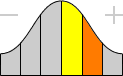
Low HGH (Human Growth Hormone)
Human growth hormone (HGH) levels decline with age. HGH stimulates the production of collagen, which sticks wounds together, strengthens weakened tissue, gives skin more elasticity and helps wounds of the skin or bone heal faster and stronger.
Zinc Requirement
Many studies have demonstrated enhanced wound and ulcer healing with oral zinc supplementation. The healing time of surgical wounds was reduced by 43% with zinc sulfate at 50mg tid. Not surprisingly, zinc deficiency is also associated with impaired wound healing. A study of patients deficient in zinc found that topically applied zinc oxide, but not zinc sulfate, enhanced the regeneration of epithelial tissue on leg ulcers. In addition, inflammation and bacterial growth were both reduced.
1. What is the use of zinc for wound healing? Int J Dermatol 1978;17: pp.568-70
2. Acceleration of healing with zinc sulfate. Ann Surg 1967;165: pp.432-6
3. Studies on zinc in wound healing. Acta Derm Venereol Suppl 1990;154: pp.1-36
EFA (Essential Fatty Acid) Requirement
Failure to provide either omega-6 or omega-3 fatty acids in the diet results in poor wound healing.
Diabetes Type II
People with diabetes often have impaired wound healing. Even a tiny sore may remain unhealed and/or infected for months or even years. In severe cases, overwhelming infection and lack of oxygen and nutrients leads to gangrene.
Poor/Slow Wound Healing suggests the following may be present
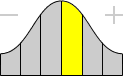
EFA (Essential Fatty Acid) Requirement
Failure to provide either omega-6 or omega-3 fatty acids in the diet results in poor wound healing.
Recommendations for Poor/Slow Wound Healing

Propolis / Bee Products
The topical use of honey has long been recognized as an aid to wound and ulcer recovery. An extensive article on the use of Manuka Honey can be viewedhere.
MEDIHONEY Wound & Burn Dressings are being distributed during November 2007 to physicians, hospitals and acute rehabilitation clinics. The product marks the first FDA clearance of a honey-based product for managing wounds and burns.
“Clinical studies of MEDIHONEY have shown it has promise over current treatments because of its strong wound healing benefit,” said Ed Quilty, CEO of Derma Sciences (OTCBB:DSCI), the manufacturer and marketer of MEDIHONEY and other advanced wound care products.
The dressings are made with Leptospermum Honey, the pollen and nectar of which comes from the Manuka bush, a wild shrub indigenous to New Zealand. The medicinal honey is harvested by beekeepers, filtered and then sterilized and standardized. Leptospermum honey dressings have been in use for some time throughout the United Kingdom, Australia and New Zealand. In July 2007 the FDA cleared them for use in wound and burn care, making them the first honey-based products cleared for medical use in the Untied States. Over the past decade, researchers have begun to report the unique characteristics and components of Leptospermum honey, making this particular variety of honey ideal for wound management.

LDN - Low Dose Naltrexone
The Promise Of Low Dose Naltrexone Therapy: Potential Benefits in Cancer, Autoimmune, Neurological and Infectious Disorders. By Elaine Moore, co-author SammyJo Wilkinson Foreword by Dr. Yash Agrawal, MD, PhD.
This is perhaps the first, and so far only book on LDN, and as such represents a milestone in the effort to bring LDN into mainstream use. Written by Elaine Moore, a high level science writer with a portfolio of previous accomplishments, her LDN book is perhaps somewhat technical and may be difficult for the untrained non-professional to follow. It delves into the sophisticated jargon of the medical research world. For example, in Chapter 5 on LDN and Cancer, there is a discussion of Zagon’s work on Cyclin dependent kinases, P53 and protein 21 and how this relates to inhibition of cancer by LDN.
However, in addition to the esoteric technical sections of the book, there are also chapters devoted to the lay reader interested in learning how LDN can help them on a practical level. A listing of dispensing practitioners was included which I found contained my own office address and phone number.
The book is highly recommended for other health care practitioners who wish to get quickly up to speed in this new area of medicine which is destined to become the medical paradigm of the 21st century, casting a giant shadow over the rest of mainstream medicine.[ Comments on the LDN book by Jeffrey Dach MD]
Zinc
Zinc can be used topically or orally to encourage wound healing.
Reading List
Please see the link between Slow Wound Healing and Reading List.

Ozone / Oxidative Therapy
Ozone topical therapy, applied repeatedly, offers the opportunity to inactivate most, if not all, offending pathogens which may be contributing to ulceration and poor wound healing. In addition, circulatory stimulation aids the healing process.
In cases of lymphatic congestion due to prior surgery, topical ozone treatment should be applied as soon as an injury is noted in the affected area to help prevent a secondary infection.
Varicose ulcers, associated or not with diabetes mellitus, are frequent. This disease usually becomes chronic and with a relapsing tendency creates an important social problem. Having tested the germicide power of the ozonized oil, and its effect on stimulation and regeneration of tissues, it was used for the treatment of this disease. 120 patients with ulcer of the inferior limbs were treated, 60 patients with ozonized oil and the other 60 with conventional therapy. 100% of the patients treated with ozonized oil recovered in 15-30 days. In the group treated with conventional therapy a great majority needed a longer time to recover. Some cases were dealt at home. [T.De las Cagigas, V.Bastard, S.Menèndez, M.Gomez y L.Eng Consultorio del Medico de Famiglia del Policlinico “Luis Pasteur “, Centro Nacional De Investigaciones Cientificas]
Key
| Weak or unproven link |
| Strong or generally accepted link |
| May do some good |
| Likely to help |
| Highly recommended |
Glossary
Diabetes Mellitus
A disease with increased blood glucose levels due to lack or ineffectiveness of insulin. Diabetes is found in two forms; insulin-dependent diabetes (juvenile-onset) and non-insulin-dependent (adult-onset). Symptoms include increased thirst; increased urination; weight loss in spite of increased appetite; fatigue; nausea; vomiting; frequent infections including bladder, vaginal, and skin; blurred vision; impotence in men; bad breath; cessation of menses; diminished skin fullness. Other symptoms include bleeding gums; ear noise/buzzing; diarrhea; depression; confusion.
Carbohydrates
The sugars and starches in food. Sugars are called simple carbohydrates and found in such foods as fruit and table sugar. Complex carbohydrates are composed of large numbers of sugar molecules joined together, and are found in grains, legumes, and vegetables like potatoes, squash, and corn.
Metabolism
The chemical processes of living cells in which energy is produced in order to replace and repair tissues and maintain a healthy body. Responsible for the production of energy, biosynthesis of important substances, and degradation of various compounds.
Epidermis
The outer layers of the skin, made up of an outer, dead portion and a deeper, living portion. Epidermal cells gradually move outward to the skin surface, changing as they go, until they become flakes.
Ulcer
Lesion on the skin or mucous membrane.
Contusion
A bruise; an injury in which the skin is not broken.
Anaerobic
Of, relating to, or being activity in which the body incurs an oxygen debt (for example weight training or resistive exercises) and does not immediately burn off a lot of calories and fat.
Bacteria
Microscopic germs. Some bacteria are "harmful" and can cause disease, while other "friendly" bacteria protect the body from harmful invading organisms.
Aerobic
Using oxygen. For example, aerobic exercises such as running, swimming, bicycling or playing tennis use up lots of oxygen and burn up lots of calories and fat.
Hormones
Chemical substances secreted by a variety of body organs that are carried by the bloodstream and usually influence cells some distance from the source of production. Hormones signal certain enzymes to perform their functions and, in this way, regulate such body functions as blood sugar levels, insulin levels, the menstrual cycle, and growth. These can be prescription, over-the-counter, synthetic or natural agents. Examples include adrenal hormones such as corticosteroids and aldosterone; glucagon, growth hormone, insulin, testosterone, estrogens, progestins, progesterone, DHEA, melatonin, and thyroid hormones such as thyroxine and calcitonin.
Collagen
The primary protein within white fibers of connective tissue and the organic substance found in tendons, ligaments, cartilage, skin, teeth and bone.
Zinc
An essential trace mineral. The functions of zinc are enzymatic. There are over 70 metalloenzymes known to require zinc for their functions. The main biochemicals in which zinc has been found to be necessary include: enzymes and enzymatic function, protein synthesis and carbohydrate metabolism. Zinc is a constituent of insulin and male reproductive fluid. Zinc is necessary for the proper metabolism of alcohol, to get rid of the lactic acid that builds up in working muscles and to transfer it to the lungs. Zinc is involved in the health of the immune system, assists vitamin A utilization and is involved in the formation of bone and teeth.
Milligram
(mg): 1/1,000 of a gram by weight.
TID
Three times a day.
Fatty Acids
Chemical chains of carbon, hydrogen, and oxygen atoms that are part of a fat (lipid) and are the major component of triglycerides. Depending on the number and arrangement of these atoms, fatty acids are classified as either saturated, polyunsaturated, or monounsaturated. They are nutritional substances found in nature which include cholesterol, prostaglandins, and stearic, palmitic, linoleic, linolenic, eicosapentanoic (EPA), and decohexanoic acids. Important nutritional lipids include lecithin, choline, gamma-linoleic acid, and inositol.