Conditions that suggest Tendency To Develop Polyps
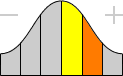
Risk factors for Tendency To Develop Polyps
Chronic Inflammation
Allergies and infalmmation are associated with polyp development. In a clinical trial that ended in the fall of 1998, it was found that nearly 80% of patients with sporadic colon polyps, the type that can develop into common colon cancer, had their polyps disappear or shrink after taking sulindac, a nonsteroidal anti-inflammatory drug (NSAID), for one year. “This was the first randomized, double-blind project to demonstrate that any drug inhibits premalignant sporadic polyps,” said DiSario, associate professor of gastroenterology at the School of Medicine.
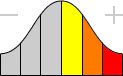
(History of) colon polyps
Tendency To Develop Polyps can lead to
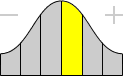
Recommendations for Tendency To Develop Polyps

Test for Food Allergies
Hidden food allergies are an underlying cause of polyp formation.

Key
| Weak or unproven link |
| Strong or generally accepted link |
| Proven definite or direct link |
| May do some good |
| Likely to help |
Glossary
Polyp
A usually nonmalignant growth or tumor protruding from the mucous lining of an organ such as the nose, bladder or intestine, often causing obstruction.
Allergy
Hypersensitivity caused by exposure to a particular antigen (allergen), resulting in an increased reactivity to that antigen on subsequent exposure, sometimes with harmful immunologic consequences.
Colon
The part of the large intestine that extends to the rectum. The colon takes the contents of the small intestine, moving them to the rectum by contracting.
Cancer
Refers to the various types of malignant neoplasms that contain cells growing out of control and invading adjacent tissues, which may metastasize to distant tissues.
Anti-inflammatory
Reducing inflammation by acting on body mechanisms, without directly acting on the cause of inflammation, e.g., glucocorticoids, aspirin.
NSAID
Non-steroidal anti-inflammatory drug.