Senile dementia is a disease caused by degeneration of the brain cells. It’s different from normal senility in the elderly. The patient’s brain function will gradually deteriorate resulting in progressive loss of memory and mental abilities, and noticeable personality changes.
There are many causes of senile dementia. These can be categorized into three main groups:
Alzheimer’s disease is the most common form of senile dementia. The causes are not yet known, and up to now there is no effective treatment. Patients with Alzheimer’s disease deteriorate very gradually, so the disease is often not detected in its early stages.
Multi-infarct dementia is caused by a series of minor strokes. It usually results from damage to the small blood vessels in the brain causing deprivation of blood supply to the brain cells thus affecting its function. Patients’ abilities will decline in ladder-like pattern.
Other causes of senile dementia include depression, poor nutrition, thyroid dysfunction, drug poisoning, alcoholism, and so on. This kind of dementia can often be corrected by treating the underlying diseases.
What are the symptoms of senile dementia?
Symptoms at the early stage include the following:
- Forget recent events and distant memory also fades as the disease progresses
- Experience difficulty in reasoning, calculation, and accepting new things
- Become confused over time, place and direction
- Affect the activity of daily living
- Judgment will be reduced
- Personality will be changed
- Become passive and lose initiative.
Symptoms at the middle stage include the following:
- Lose cognitive ability, such as the ability to learn, judge, and reason
- Become emotionally unstable, and easily lose temper or become agitated
- Need help from his or her family with activities of daily living
- Confuse night and day, and disturb the family’s normal sleeping time.
Symptoms at the later stage include the following:
- Lose all cognitive ability
- Become entirely incapable of self-care, including eating, bathing, and so on
- Neglect personal hygiene, and will become incontinent
- Lose weight gradually, walk unsteadily and become confined to bed.
What are the treatments for senile dementia?
Alzheimer’s disease and multi-infarct dementia are degenerative diseases, and up to now there is no effective treatment. It’s best to recognize the symptoms early and be diagnosed and assessed by the doctor. There are currently some medications and natural treatments available to slow the progress of Alzheimer’s disease. In cases where curative treatment is not available, the family can learn about the disease and provide suitable care measures and assistance to the patients’ relative.
What should I do if I believe my loved one has senile dementia?
If you recognize the symptoms of senile dementia in your family member, you should immediately take the following steps:
- Consult your doctor to confirm the diagnosis
- Join a family support group for senile dementia patients. This will help to ease the pressure of looking after the patient through sharing of experience
- Take advantage of social services such as day care centers for the elderly
- Explain your loved one’s illness to your relatives and neighbors to gain their understanding and support
- Make alteration in your home environment to prevent accidents
- Establish a daily routine for the patient to reduce his feelings of confusion
- Have the patient wear a wrist bracelet labeled with his name and telephone number. Always have a recent photo of the patient at home so that it will help to find him if he get lost.
Signs, symptoms & indicators of Senile Dementia
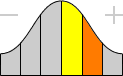
Periods of confusion/disorientation
Conditions that suggest Senile Dementia
Parkinson's Disease / Risk
About 30% of Parkinson’s disease victims eventually develop Alzheimer’s disease or other forms of dementia.
Risk factors for Senile Dementia
Atherosclerosis
Atherosclerosis is a risk factor for reduced circulation in the brain, sometimes called ischemic vascular dementia (IVD).
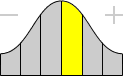
Hypertension
Hypertension is a risk factor for reduced circulation in the brain, sometimes called ischemic vascular dementia (IVD).
Diabetes Type II
In a 2011 Japanese study, which included more than 1,000 men and women over age 60, researchers found that people with diabetes were twice as likely as the other study participants to develop Alzheimer’s disease within 15 years. They were also 1.75 times more likely to develop dementia of any kind.
Poorly controlled diabetes
Reasonably controlled diabetes
Hypertension, diabetes and heart disease are risk factors for reduced circulation in the brain, sometimes called ischemic vascular dementia (IVD).
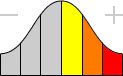
Possible senile dementia
Senile Dementia suggests the following may be present
Hypertension
Hypertension is a risk factor for reduced circulation in the brain, sometimes called ischemic vascular dementia (IVD).
Recommendations for Senile Dementia

Fish Oil / Krill
Please see the link between Senile Dementia and Essential Fatty Acids.

Coffee (Coffea genus)
Substantial evidence from epidemiological studies and fundamental research in animal models suggests that caffeine may be protective against the cognitive decline seen in dementia and Alzheimer’s disease (AD). A special supplement to the Journal of Alzheimer’s Disease, “Therapeutic Opportunities for Caffeine in Alzheimer’s Disease and Other Neurodegenerative Diseases, 2010” sheds new light on this topic and presents key findings.
“Epidemiological studies first revealed an inverse association between the chronic consumption of caffeine and the incidence of Parkinson’s disease,” according to Mendonça and Cunha. “This was paralleled by animal studies of Parkinson’s disease showing that caffeine prevented motor deficits as well as neurodegeneration “Later a few epidemiological studies showed that the consumption of moderate amounts of caffeine was inversely associated with the cognitive decline associated with aging as well as the incidence of Alzheimer’s disease. Again, this was paralleled by animal studies showing that chronic caffeine administration prevented memory deterioration and neurodegeneration in animal models of aging and of Alzheimer’s disease.”
Grape Seed Extract / Resveratrol
The findings from a study, which was published online in the journal Neurotoxicology, agree with prior human epidemiology studies that associate frequent red wine consumption with a reduced risk of developing dementia. Resveratrol and other similar compounds called polyphenols, have long been thought to contribute to this beneficial effect. Resveratrol is a potent antioxidant that is also associated with numerous other health effects, including a reduced risk of cardiovascular disease. [Feng Y, X Wang, S Yang, Y Wang, X Zhang, X Du, X Sun, M Zhao, L Huang and R Liu. 2009. Resveratrol inhibits beta-amyloid oligomeric cytotoxicity but does not prevent oligomer formation. Neurotoxicology doi:10.1016 / j.neuro 2009.08.013.]

Ginkgo Biloba
A major review of clinical trials provided “promising evidence” that dietary supplements containing the herbal medicine Ginkgo biloba can improve memory and function in people with dementia. Researchers at the Cochrane Collaboration in Oxford reviewed 33 clinical trials and concluded that the remedy appeared to be safe with no excessive side effects.
The medicinal effects of Ginkgo are believed to be gained by causing blood vessels to dilate, thereby improving blood flow to the brain, and through thinning the blood, making it less likely to clot. In addition, Ginkgo probably has some antioxidant effects. [The Guardian October 15, 2002]
Increased Fruit/Vegetable Consumption
News from the Telegraph U.K. says scientists have found that blueberries can increase your attention span in the short term and can maintain a healthy mind in the long term.
According to the report, they found that just one 200g blueberry smoothie was enough to increase powers of concentration by as much as 20 % over the day, and regular consumption of the fruit could lead to a rewiring of a part of the brain that is linked to memory.
The fruit, which is an anti-oxidant, has already been linked to lower heart disease and cancer rates as well as anti-aging. Antioxidants remove free radicals – chemicals that have the potential to cause damage to cells and tissues in the body.
Dr. Jeremy Spencer, a molecular nutritionist at the University of Reading who carried out the latest study, is quoted as saying he believes its affect on the mind has more to do with its ability to increase the blood flow to the brain, and that flavonoid rich foods, which also include chocolate, spinach and some fruit juices, can re-structure the brain and ward off memory loss associated with Alzheimer’s. [reported at the British Science Festival, Sept 2009]
Aerobic Exercise
A study (October 2008) coming from Professor Art Kramer, of the US Beckman Institute at the University of Illinois, gives strong evidence that aerobic exercise can actually reverse mental decline.
According to a report in The Telegraph, research suggests that the benefits of regular workouts are seen not only in those undergoing the normal aging process but also in people suffering from Alzheimer’s disease.
Indeed, says the report, the findings of one study suggested that people who exercised for just one hour three times a week over three months increased their brain size to that of someone three years younger.
Writing in the British Journal of Sports Medicine, Professor Kramer, who is quoted as saying he believes that around six months of physical activity would be enough to see a marked improvement in brain power, said: “We can safely argue that an active lifestyle with moderate amounts of aerobic activity will likely improve cognitive and brain function, and reverse the neural decay frequently observed in older adults. The effect of aerobic exercise training on cognitive function also seems to extend to older adults with dementia.”
Sunlight / Light Exposure
(Sunderland, England – 2008)—In what is being called a scientific “breakthrough,” ScienceDaily reports that researchers at the University of Sunderland have shown that “regular exposure to safe low level infra-red light can improve learning performance and kick-start the cognitive function of the brain.”
According to the report, experts claim that early stage dementia patients should see an improvement in their cognitive function within four weeks, by wearing a lightweight helmet in their home for just ten minutes a day.
Dr Gordon Dougal reportedly came up with the idea after the light proved effective in the treatment of cold sores. Said Dougal: “The implications of this research at the University of Sunderland are enormous…Currently all you can do with dementia is to slow down the rate of decay. This new process will not only stop that rate of decay but partially reverse it.”
Essential Fatty Acids
More than 5 million Americans have some form of Alzheimer’s disease, and just as many suffer from vascular dementia, so preventing and slowing the progression of neurodegenerative disorders is a public health imperative.
Studies found that a diet high in fish and fish products is associated with better cognitive performance. Higher levels of omega-3 fatty acids were associated with less decline in the speed-related cognitive domains.
It often takes decades for dementia to develop and brain volume to shrink. These studies of the benefits of omega-3 fats on brain function offer an opportunity for early intervention to maintain your brain function and slow progression to dementia. [American Journal of Clinical Nutrition, 86(5), pp.1259-1260, 1470-1478, 1479-1485. November 2007]
Lecithin / Choline / GPC
With respect to the older population, in a comprehensive meta-analysis of GPC’s benefits published in 2001, veteran Italian researcher Dr. Lucilla Parnetti concluded, “The extent of improvement of cognitive functions observed was generally high.” From an earlier double blind trial that she coordinated, Parnetti concluded, “GPC induces global functional improvement, to a degree which may improve the patients’ quality of life.” [Mech Ageing Dev 122(16):2063-9, 2001, Drugs Aging 3(2): pp.159-64, 1993]
GPC is also unique for its capacity to improve cognition in brain trauma patients. One large study on stroke recovery involved 176 hospital centers within Italy and more than 2,000 seriously ill patients. After six months, investigators judged GPC had significantly helped more than 95% of the patients. They noted that GPC was excellently tolerated by this fragile patient population.
NADH
Because of its potential to stimulate endogenous L- DOPA synthesis, 17 patients in one study with symptoms ranging from mild cognitive decline to severe dementia received oral NADH as the disodium salt 10mg in the morning 30 minutes before breakfast. All showed a significant improvement in mental function within 8-12 weeks.
Vitamin B12 (Cobalamine)
Please see the link between Increased Risk of Alzheimer’s and Vitamin B12.
Key
| Weak or unproven link |
| Strong or generally accepted link |
| Proven definite or direct link |
| May do some good |
| Likely to help |
| Highly recommended |
Glossary
Dementia
An acquired progressive impairment of intellectual function. Marked compromise exists in at least three of the following mental activity spheres: memory, language, personality, visuospatial skills, and cognition (i.e., abstraction and calculation).
Alzheimer's Disease
A progressive disease of the middle-aged and elderly, characterized by loss of function and death of nerve cells in several areas of the brain, leading to loss of mental functions such as memory and learning. Alzheimer's disease is the most common cause of dementia.
Thyroid
Thyroid Gland: An organ with many veins. It is at the front of the neck. It is essential to normal body growth in infancy and childhood. It releases thyroid hormones - iodine-containing compounds that increase the rate of metabolism, affect body temperature, regulate protein, fat, and carbohydrate catabolism in all cells. They keep up growth hormone release, skeletal maturation, and heart rate, force, and output. They promote central nervous system growth, stimulate the making of many enzymes, and are necessary for muscle tone and vigor.
Parkinson's Disease
A chronic, slowly-progressing disease of the nervous system characterized clinically by the combination of tremor, rigidity, extreme slowness of movement, and stooped posture. It is characterized pathologically by loss of dopamine in the substantia nigra.
Atherosclerosis
Common form of arteriosclerosis associated with the formation of atheromas which are deposits of yellow plaques containing cholesterol, lipids, and lipophages within the intima and inner media of arteries. This results in a narrowing of the arteries, which reduces the blood and oxygen flow to the heart and brain as well as to other parts of the body and can lead to a heart attack, stroke, or loss of function or gangrene of other tissues.
Ischemia
Localized tissue anemia due to obstruction of the inflow of arterial blood.
Vascular Dementia
Mental incapacity due to inadequate blood flow to the brain.
Hypertension
High blood pressure. Hypertension increases the risk of heart attack, stroke, and kidney failure because it adds to the workload of the heart, causing it to enlarge and, over time, to weaken; in addition, it may damage the walls of the arteries.
Diabetes Mellitus
A disease with increased blood glucose levels due to lack or ineffectiveness of insulin. Diabetes is found in two forms; insulin-dependent diabetes (juvenile-onset) and non-insulin-dependent (adult-onset). Symptoms include increased thirst; increased urination; weight loss in spite of increased appetite; fatigue; nausea; vomiting; frequent infections including bladder, vaginal, and skin; blurred vision; impotence in men; bad breath; cessation of menses; diminished skin fullness. Other symptoms include bleeding gums; ear noise/buzzing; diarrhea; depression; confusion.