Fifteen thousand and twenty-three gastric biopsies from 11,085 patients at a hospital in Northeastern Italy were taken between January of 1986 and December of 1991, and evaluated for the relationship of giardia lamblia and other associated
gastrointestinal factors. Forty-one patients (.37%) of the population had gastric giardiasis. The patients all had undergone
upper gastrointestinal endoscopy because of dyspepsia, epigastric pain, or abdominal distention.
It is noted that only 2 patients had diarrhea at the time of the biopsy. Gastric giardiasis was associated with chronic atrophic gastritis. Of the 41 patients with gastric giardiasis, 32 had intestinal metaplasia of the gastric mucosa and 37 had helicobacter pylori infection. The authors conclude that the association between gastric giardiasis and chronic atrophic gastritis shows that a decreased gastric acidity is a prerequisite for the localization of giardia lamblia and the gastrointestinal mucosa.
For those who like bacpacking, here is a very informative link.
Signs, symptoms & indicators of Parasite, Giardiasis Infection
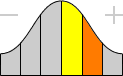
Recent loss of appetite
Unexplained nausea
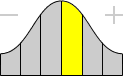
Unexplained vomiting
Having a slight/having a moderate/having a high fever
Conditions that suggest Parasite, Giardiasis Infection
Diarrhea
Giardia diarrhea tends to be less watery, and usually it is a mixture of watery feces, with a few semi-solid chunks mixed in.
With giardia symptoms diarrhea will continue over days, weeks and sometimes months. Typically you will feel the rumbling stomach, the belching, the gas. Then after you go to the toilet, you feel better.
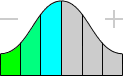
Absence of giardia infection
Parasite, Giardiasis Infection suggests the following may be present
Recommendations for Parasite, Giardiasis Infection

Grapefruit / Citrus Seed Extract
In a series of almost 200 patients treated for giardia or entamoeba histolytica by a Dr. Parish and his associates over a two month period, grapefruit seed extract gave symptomatic relief more than any other treatment that was tried.

Wormwood
Wormwood has antiprotozoal activity and is especially effective against giardia, but caution is advised as it can cause a worsening of symptoms and mild intestinal irritation initially. It may be used with other herbs known for their antiparasitic activity.
Oregon Grape
Berberine, from oregon grape or golden seal, has been found effective against diarrheas caused by giardia lamblia (giardiasis).
MSM (Methyl Sulfonyl Methane)
Oregon Health Sciences University researchers have found that MSM has anti-parasitic properties against giardia.
Wheat Germ Oil
Twenty-five symptorn-free patients with Giardia lamblia cysts in their stools were compared with 38 Giardia patients with symptoms. Subjects were given 2gm tid of wheat germ oil or placebo followed by 250mg tid of metronidazole. Symptoms resolved more rapidly in individuals taking wheat germ oil in conjunction with metronidazole. Both cyst passage and antigen levels were reduced by 50% in those taking wheat germ compared with placebo. [Am J Trop Med Hyg 2001;65(6): pp.705-710]

Ozone / Oxidative Therapy
Cuban doctors are using capsules filled with ozonated oil to treat gastroduodenal ulcers, gastritis, giardia and peptic ulcers.
In 50 cases of giardiasis which did not respond to conventional treatment, ozonated water was administered. Each patient drank four glasses of ozonated water per day for ten days, followed by a 7-day period without treatment. This cycle was then repeated a second time. 46% experienced a remission during the first cycle of treatment while an additional 48% became asymptomatic by the end of the second cycle. There were no adverse side-effects reported. [Revista CENIC Ciencias Biologicas, pp. 61-4]
Key
| Weak or unproven link |
| Strong or generally accepted link |
| Very strongly or absolutely counter-indicative |
| May do some good |
| Likely to help |
| Highly recommended |
Glossary
Gastrointestinal
Pertaining to the stomach, small and large intestines, colon, rectum, liver, pancreas, and gallbladder.
Endoscopy
A procedure that uses an Endoscope.
Dyspepsia
Indigestion.
Epigastric
Relating to the area immediately above the stomach.
Diarrhea
Excessive discharge of contents of bowel.
Biopsy
Excision of tissue from a living being for diagnosis.
Chronic
Usually Chronic illness: Illness extending over a long period of time.
Atrophic Gastritis
Chronic inflammation of the stomach that causes the breakdown of the mucous membranes and a reduction in the number of functioning stomach cells. Seen mainly in the elderly.
Mucosa
Mucous tissue layer lining tubular structures (nasal passages, ear canal, etc.).
Helicobacter Pylori
H. pylori is a bacterium that is found in the stomach which, along with acid secretion, damages stomach and duodenal tissue, causing inflammation and peptic ulcers. Although most people will never have symptoms or problems related to the infection, they may include: dull, 'gnawing' pain which may occur 2-3 hours after a meal, come and go for several days or weeks, occur in the middle of the night when the stomach is empty and be relieved by eating; loss of weight; loss of appetite; bloating; burping; nausea; vomiting.
Gastritis
Inflammation of the stomach lining. White blood cells move into the wall of the stomach as a response to some type of injury; this does not mean that there is an ulcer or cancer - it is simply inflammation, either acute or chronic. Symptoms depend on how acute it is and how long it has been present. In the acute phase, there may be pain in the upper abdomen, nausea and vomiting. In the chronic phase, the pain may be dull and there may be loss of appetite with a feeling of fullness after only a few bites of food. Very often, there are no symptoms at all. If the pain is severe, there may be an ulcer as well as gastritis.
Stomach
A hollow, muscular, J-shaped pouch located in the upper part of the abdomen to the left of the midline. The upper end (fundus) is large and dome-shaped; the area just below the fundus is called the body of the stomach. The fundus and the body are often referred to as the cardiac portion of the stomach. The lower (pyloric) portion curves downward and to the right and includes the antrum and the pylorus. The function of the stomach is to begin digestion by physically breaking down food received from the esophagus. The tissues of the stomach wall are composed of three types of muscle fibers: circular, longitudinal and oblique. These fibers create structural elasticity and contractibility, both of which are needed for digestion. The stomach mucosa contains cells which secrete hydrochloric acid and this in turn activates the other gastric enzymes pepsin and rennin. To protect itself from being destroyed by its own enzymes, the stomach’s mucous lining must constantly regenerate itself.