A hiatus hernia occurs when the upper part of the stomach moves into the thoracic cavity (chest) through an enlarged esophageal hiatus (opening) in the diaphragm. Hiatus hernias are common and may be seen in up to 60% of the population over 50 years old.
Although often asymptomatic, sufferers complain of chest pain or heartburn with esophageal reflux, aggravated by alcohol, smoking, coffee and highly acidic foods. Discomfort is worse laying down after eating and the diagnosis is often made by special X-Rays (barium swallow).
Chest pain from hiatal hernia and/or esophageal spasms may be extremely difficult to distinguish from chest pain of cardiac origin. The symptoms of pain spreading from below the sternum (breastbone) to the neck, jaw, and arms can mimic the symptoms of coronary artery disease. If you experience any of these symptoms, it is best to immediately seek medical care to evaluate your problem.
Coughing, vomiting, straining, or sudden physical exertion can cause increased pressure in the abdomen resulting in hiatal hernia. Obesity and pregnancy also contribute to this condition. Many otherwise healthy people age 50 and over have a small hiatal hernia. Although considered a condition of middle age, hiatal hernias affect people of all ages.
Hiatal hernias usually do not require treatment. However, treatment may be necessary if the hernia is in danger of becoming strangulated (twisted in a way that cuts off blood supply, i.e. paraesophageal hernia) or is complicated by severe GERD or esophagitis (inflammation of the esophagus). The doctor may perform surgery to reduce the size of the hernia or to prevent strangulation.
Signs, symptoms & indicators of Hiatal Hernia
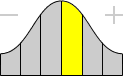
Having a slight/having a moderate/having a high fever
Conditions that suggest Hiatal Hernia
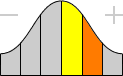
Heartburn / GERD
Hiatal hernia often causes burning and difficulty in swallowing. Hiatal hernia and GERD can both cause heartburn.
Recommendations for Hiatal Hernia


Increased Water Consumption
Some people are helped by drinking 16oz (half liter) of water after a meal. This gives the stomach extra weight which may pull it downward and allow better closure of the lower esophageal sphincter. Additional downward pressure can be achieved by jumping off a chair after a meal before or after drinking the 16oz of water. The sudden stop on landing has been shown to reduce hiatal hernias and also caused heartburn symptoms to subside.
Key
| Weak or unproven link |
| Strong or generally accepted link |
| May do some good |
| Likely to help |
Glossary
Stomach
A hollow, muscular, J-shaped pouch located in the upper part of the abdomen to the left of the midline. The upper end (fundus) is large and dome-shaped; the area just below the fundus is called the body of the stomach. The fundus and the body are often referred to as the cardiac portion of the stomach. The lower (pyloric) portion curves downward and to the right and includes the antrum and the pylorus. The function of the stomach is to begin digestion by physically breaking down food received from the esophagus. The tissues of the stomach wall are composed of three types of muscle fibers: circular, longitudinal and oblique. These fibers create structural elasticity and contractibility, both of which are needed for digestion. The stomach mucosa contains cells which secrete hydrochloric acid and this in turn activates the other gastric enzymes pepsin and rennin. To protect itself from being destroyed by its own enzymes, the stomach’s mucous lining must constantly regenerate itself.
Esophagus
Commonly called the "food pipe", it is a narrow muscular tube, about nine and a half inches long, that begins below the tongue and ends at the stomach. It consists of an outer layer of fibrous tissue, a middle layer containing smoother muscle, and an inner membrane, which contains numerous tiny glands. It has muscular sphincters at both its upper and lower ends. The upper sphincter relaxes to allow passage of swallowed food that is then propelled down the esophagus into the stomach by the wave-like peristaltic contractions of the esophageal muscles. There is no protective mucosal layer, so problems can arise when digestive acids reflux into the esophagus from the stomach.
Diaphragm
The muscle separating the stomach from the chest.
Asymptomatic
Not showing symptoms.
Hiatal Hernia
Hiatal hernia occurs when the upper part of the stomach moves up into the chest through a small opening in the diaphragm (a diaphragmatic hiatus). This is a common problem and most people are not bothered by it. A hernia may allow stomach acid to flow back into the esophagus ("food pipe"), where it can cause problems. The most common symptom is burning in your chest (heartburn), especially at night when you are lying down. Other possible signs include burping and trouble swallowing.
Cardiac
Pertaining to the heart, also, pertaining to the stomach area adjacent to the esophagus.
Gastric Reflux Disease
Gastro-Esophageal Reflux Disease (GERD). A common relapsing condition affecting approximately 10% of the U.S. population and caused by an abnormal exposure of the lower esophagus to refluxed gastric contents, causing irritation and injury to the esophageal tissues. GERD develops as a result of relaxations of the transient lower esophageal sphincter. Typical presenting symptoms are heartburn, an epigastric burning sensation and acid regurgitation. However, some patients may present with atypical symptoms such as chest pain, shortness of breath, wheezing, and coughing.