Some causes of low testosterone levels include congenital problems (such as deficiencies of male hormones and rare malformation syndromes), and acquired problems, including aging, chronic illness, drugs, starvation, stress, head trauma, infections, cancers, surgeries, alcoholism, removal of or trauma to the testicles, and infection or twisting of the testicles in their sack. Also, certain drugs compete with testosterone in the body.
A study in 1996 reported in the New England Journal of Medicine followed three groups of men. One group was given testosterone and prescribed a strength training program, one group was given testosterone and told not to exercise and one group was just given a training program without testosterone. To no surprise the group who exercised on testosterone gained the most muscle and lost the most fat, but to the researchers surprise the group who took testosterone without exercise actually had greater improvement in muscle and fat composition than the group who trained without it. You can’t build muscle without it!
Signs, symptoms & indicators of Low Testosterone Level
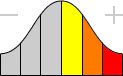
Having very/having low testosterone levels or having normal testosterone levels
The normal range of testosterone is reported as 350- 1200ng/dl. Studies in the 1940’s showed the average testosterone level to be at 700 ng/dl, 300 ng/dl higher than for men today. In the past, a drop in testosterone levels to 250 ng/dl was rarely reported before men were 80 years of age. Yet today, it is not an uncommon value for middle aged men! [http://www.usdoctor.com/testone.htm]
Counter Indicators
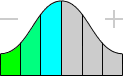
Having high testosterone levels
The normal range of testosterone is reported as 350- 1200ng/dl. Studies in the 1940’s showed the average testosterone level to be at 700 ng/dl, 300 ng/dl higher than for men today. In the past, a drop in testosterone levels to 250 ng/dl was rarely reported before men were 80 years of age. Yet today, it is not an uncommon value for middle aged men! [http://www.usdoctor.com/testone.htm]
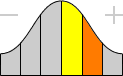
Health declining with age
Reduced underarm/pubic hair growth
Low stamina
Counter Indicators
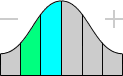
High stamina
Impatient/hostile disposition
Being unmotivated
Counter Indicators
Being highly motivated
(Prolonged) morning stiffness
Joint pain/swelling/stiffness
Conditions that suggest Low Testosterone Level
Atherosclerosis
Researchers at Columbia University Medical School found that serum testosterone levels were about 90ng/dl lower in patients who had suffered myocardial infarctions (MI) than in those who had not. These results suggest that low testosterone levels predispose men to MI and are lower in men with severe coronary artery atherosclerotic disease than in controls.
Low Progesterone or Estrogen Dominance
Testosterone is converted into estrogen naturally. When this conversion is overactive the result is too little testosterone and too much estrogen. High levels of estrogen also trick the brain into thinking that enough testosterone is being produced, thereby reducing the natural production of testosterone.
AIDS / Risk
An estimated 45% of men with untreated AIDS and 25% of asymptomatic, untreated HIV-infected men experience low testosterone levels. Both men and women may be negatively affected by testosterone deficiency.
Depression
Depression can be caused by low levels of certain hormones, including testosterone.
Counter Indicators
Male Gynecomastia
The basic mechanisms of gynecomastia are a decrease in androgen production, an absolute increase in estrogen production, and an increased availability of estrogen precursors for peripheral conversion to estradiol.
Osteoporosis / Risk
Osteoporosis is hasteded by hormonal deficiencies, including both testosterone and estrogen, which occur in older men (although much more slowly than in women). Estrogen deficiencies may also a play a major role in osteoporosis in older men. Some 30% of men with spinal osteoporosis have long-standing testosterone deficiency, and one-third of men with testosterone deficiency have subnormal bone density that puts them at risk of fractures.
Zinc Requirement
(This relationship of testosterone levels to zinc status does not apply to women.)
Studies support the use of zinc supplementation in the treatment of low sperm count especially in the presence of low testosterone levels. Both sperm count and testosterone levels rose in men with initially low testosterone levels. Zinc status should be evaluated in men with decreased serum testosterone levels. [Nutrition Report, September-October, 1996;14(7): p.52]
Increased Risk of Coronary Disease / Heart Attack
Researchers at Columbia University Medical School studied 55 men undergoing X-ray exams of their arteries and found that those with a lower testosterone level had higher degrees of heart disease (blockage of the coronary arteries). This study also found that the protective HDL cholesterol levels were higher in men with higher testosterone levels.
Low testosterone is linked to hypertension, obesity, atherosclerosis and increased waist-to-hip ratio – all of these being heart attack risk factors. Administration of testosterone to men has been reported to decrease the risk factors for heart attack.
This connection with heart disease was confirmed in a subsequent study in men with low levels of free testosterone. [Metabolism. 2004 March;53(3): pp.324-9]
Prostate Cancer
A low testosterone level has been considered desirable in prostate cancer or in those with an increased risk of prostate cancer. It is often lowered by the use of drugs, and nothing should be done to try and raise it.
However, preliminary research suggests that testosterone replacement therapy for men with low testosterone levels appears to have little effect on the prostate gland, contrary to some reports that this therapy may be harmful, according to a study in the November 15, 2006 issue of JAMA, a theme issue on men’s health.
Counter Indicators
Prostate Cancer
A low testosterone level is DESIRABLE in prostate cancer or in those with an increased risk of prostate cancer.
Male Infertility (Low Sperm Count)
We identified an endocrinopathy in men with severe male factor infertility that is characterized by a decreased serum testosterone-to-estradiol ratio. This ratio can be corrected by aromatase inhibition, resulting in a significant improvement in semen parameters in oligospermic patients.” [J. of Urology, March 2001]
Risk factors for Low Testosterone Level
Hyperthyroidism
Elevated estradiol and depressed bioavailable testosterone have been cited as the cause of sexual dysfunction common in hyperthyroid individuals.
Hyperprolactinemia
Prolactinoma is a condition in which a noncancerous tumor (adenoma) of the pituitary gland in your brain overproduces the hormone prolactin. The major effect of increased prolactin is a decrease in normal levels of sex hormones — estrogen in women and testosterone in men.
Having normal/having elevated free testosterone
Diabetes Type II
There are various complications already associated with type 2 diabetes such as eye, kidney and heart problems, but researchers have found another to add to the list: Low testosterone production or hypogonadism, found in men. In fact, one out of three male patients are affected by this condition.
Contrary to what many may think, hypogonadism is not caused by a defect in the testes. Instead, it is due to improper functioning of the pituitary gland (which controls production of testosterone) or in the hypothalamus (the region of the brain that controls the pituitary). Previous studies have linked erectile dysfunction and low testosterone levels in diabetic patients to lower levels of pituitary hormones. Also, a small portion of unbound testosterone in the blood, known as free testosterone, largely determines the amount of testosterone that is available in the tissues.
These findings are particularly important, as hypogonadism has not previously been recognized as a complication of type 2 diabetes. Thus, the high prevalence of patients affected (30 percent) was most certainly unexpected.
In the study, which involved over 100 men with type 2 diabetes, researchers aimed to further investigate the testosterone-related concern in male diabetics. None of the subjects tested had been previously diagnosed with low testosterone levels.
Findings Gathered From the Study
Past testosterone use
Counter Indicators
Testosterone use
(Very) low fat/oil intake
Low Testosterone Level suggests the following may be present
AIDS / Risk
An estimated 45% of men with untreated AIDS and 25% of asymptomatic, untreated HIV-infected men experience low testosterone levels. Both men and women may be negatively affected by testosterone deficiency.
Low Testosterone Level can lead to
Recommendations for Low Testosterone Level


Tribulus (Tribulus terrestris)
In patients with below-normal serum testosterone levels, physiological levels were reached after treatment with Tribulus. Amongst patients with normal initial levels, the testosterone level was not significantly changed after treatment.
A product called Forza-T combines Tribulus, 6-OXO and ZMA to increase testosterone levels.

Nettle (Urtica urens)
A highly concentrated extract from the nettle root provides a unique mechanism for increasing levels of free testosterone. European research has identified constituents of nettle root that bind to SHBG in place of testosterone, thus reducing SHBG’s binding of free testosterone.
As the authors of one study state: “these constituents of nettle root may influence the blood level of free, i.e. active, steroid hormones by displacing them from the SHBG bindings site”

Licorice Root (Glycyrrhiza glabra)
17 healthy males between 22 and 24 years of age consumed 7g/day of licorice tablets containing 7.6% glycyrrhizic acid over a 7-day period. On days 4 and 8, serum testosterone levels were decreased by 25%, with an increase in 17-hydroxyprogesterone and luteinizing hormone, and a slight but not significant reduction in free testosterone. [Exp Clin Endocrinol Diabetes. 2003;111: pp.341-343]
High Fat Diet
A Swedish study showed that switching from a high-fat to a low-fat diet lowered blood testosterone levels by 10 percent.
Conventional Drugs / Information
The most commonly used aromatase inhibitor in bodybuilding is aminoglutethimide (Cytadren). This drug also inhibits an enzyme (desmolase) necessary for synthesis of cortisol, but fortunately, aromatase can be inhibited with levels of drug that cause only limited inhibition of desmolase.
For an average male, a dose of 250mg per day (one tablet) appears optimal. The half-life is 8 hours, so the drug is better taken in divided doses. The best plan seems to be to take half a tablet on arising, and quarter tabs six and twelve hours later. This keeps levels generally fairly constant, but allows a small drop in the hours shortly before arising, which is then compensated for by the higher dose on arising. With this scheme, inhibition of cortisol production is generally too low to be noticed, and generally there is no rebound effect on discontinuance. However it is not a bad idea nonetheless to taper off, first omitting the midday quarter tab dose for a few days, then omitting both quarter tab doses, then reducing the initial dose to one quarter tab, and then ending completely. A week is sufficient for the taper.
Some people suffer a degree of lethargy or sedation from aminoglutethimide, even at this low dose, but most do not. Anastrozole (Arimidex) is a superior aromatase inhibitor which does not have these side effects. It is, however, very expensive. With moderate doses of testosterone it seems that 1mg per day is sufficient, and some have claimed half a tab to be sufficient.
Aromatization is the process of converting testosterone to estrogens. This process increases with age. Aromatase blockers include prescription medication such as Arimidex (anastrozole), Aromasin (exemestane), Femara (letrozole), Nolvadex (tamoxifen), and Faslodex (fulvestrant). Nonprescription items such as Chrysin, Tribulus, DHEA, and Vitamin D can reduce estrogen levels and enhance testosterone levels. If these fail to increase free testosterone and lower excess estradiol, then ask your doctor to prescribe the potent aromatase inhibiting drug Arimidex (anastrozole) in the very low dose of 0.5mg, twice per week. Arimidex reduced estradiol by approximately 70% within 24 hours and by approximately 80% after 14 days of daily use.
Chrysin
In a study published in Biochemical Pharmacology (1999, Vol.58), the specific mechanisms of chrysin’s absorption impairment were identified. It was found that the addition of a pepper extract (piperine) significantly enhances the bioavailability of chrysin. Studies have found that when chrysin is combined with piperine, reductions in serum estrogen (estradiol) and increases in total and free testosterone result in 30 days.

Diindolylmethane DIM / Indole 3 Carbinol IC3
The bulk of evidence indicates that DIM and IC3, though similar, can have differing effects on free testosterone and estrogen levels. Overall, these items may have the opposite effect of what is desired – increased free testosterone and reduced estrogens.
One contributor concluded:
I have not found any research to support DIM inhibiting Aromatase activity, in fact in may increase Aromatase activity. There is research to support that DIM increases conversion of some estrogen hormones into their estrogen metabolites. This reduction in estrogen hormones down regulates testosterone conversion to DHT, and DHT is an inhibitor of aromatase activity therefore aromatase activity increases. It is important to understand that estrogen also plays a role in total testosterone levels as increased levels of estrogen increases SHBG which binds free testosterone. Also decreased levels of estrogen increases LH and FSH which increases testosterone production and should result in higher free testosterone, but this will not result in higher total levels of testosterone due to decreased SHBG. Also keep in mind that if testosterone production is turned on high, the body may not produce enough DHEA to meet this new found demand.
Taking DIM should result in:
Lower Total Testosterone
Higher LH and FSH
Higher Free Testosterone (Unless Aromatase activity is to high, and is also subject sufficient DHEA production)
Lower DHT
Lower Estrone
Lower Estradiol
Higher Estriol
Clinical studies using testosterone injections, creams, or patches have often failed to provide a long-lasting, libido-enhancing effect in aging men. This is because testosterone can be converted to estrogen. The estrogen is then taken up by testosterone receptor sites in cells throughout the body. When an estrogen molecule occupies a testosterone receptor site on a cell membrane, it blocks the ability of serum testosterone to induce a healthy hormonal signal. It does not matter how much serum free testosterone is available if excess estrogen is competing for the same cellular receptor sites.
DHEA
Androstenedione is a metabolite of DHEA and a natural precursor of testosterone. 25 to 50mg of androstenedione taken at bedtime, and perhaps again first thing in the morning, will mimic the body’s normal diurnal rhythm of testosterone.
This same dose may be taken 30 to 60 minutes before exercise to enhance performance, or after completion of exercise to enhance muscle recovery and growth. Serum levels of testosterone start rising about 15 minutes after oral administration and stay elevated for around 3 hours. Blood testosterone levels usually peak in around 1 to 1.5 hours after ingestion. Because the elevated testosterone levels swiftly return to normal baseline levels, there is little risk of negative feedback suppression of your usual testosterone levels.
Reading List
The Testosterone Syndrome by Dr. Eugene Shippen and William Fryer. In this inexpensive paperback, they successfully demonstrate that testosterone replacement has made significant improvements in the symptoms of male menopause, and they discuss the role of testosterone in men’s overall health.
Vitamin D
Researchers at Stanford’s School of Medicine wanted to see what vitamin D’s active form, calcitriol, would do regarding breast cancer. What they found was that calcitriol reduced aromatase expression in two ways – firstly, by directly suppressing its transcription at the gene level i.e. reducing how much of it is produced by the body. And secondly, by suppressing Cyclooxygenase-2 (COX-2), a pro-inflammatory pathway, and increasing 15-Hydroxyprostaglandin Dehydrogenase (15-PGDH), an anti-inflammatory pathway.
Combined, this effect reduces the levels of local prostaglandins including Prostaglandin E2 (PGE2), which is a major stimulator of aromatase transcription. They also found that calcitriol downregulates the expression of estrogen receptor alpha (Era) in breast cancer cells, therefore reducing the effects of estrogen signalling at the receptor level. [Krishnan AV, Swami S, Feldman D. Vitamin D and breast cancer: Inhibition of estrogen synthesis and signaling. J Steroid Biochem Mol Biol. 2010 Feb 13.]
Key
| Weak or unproven link |
| Strong or generally accepted link |
| Proven definite or direct link |
| Weakly counter-indicative |
| Strongly counter-indicative |
| Very strongly or absolutely counter-indicative |
| May do some good |
| Likely to help |
| Highly recommended |
| May have adverse consequences |
| Reasonably likely to cause problems |
Glossary
Testosterone
The principal male sex hormone that induces and maintains the changes that take place in males at puberty. In men, the testicles continue to produce testosterone throughout life, though there is some decline with age. A naturally occurring androgenic hormone.
Hormones
Chemical substances secreted by a variety of body organs that are carried by the bloodstream and usually influence cells some distance from the source of production. Hormones signal certain enzymes to perform their functions and, in this way, regulate such body functions as blood sugar levels, insulin levels, the menstrual cycle, and growth. These can be prescription, over-the-counter, synthetic or natural agents. Examples include adrenal hormones such as corticosteroids and aldosterone; glucagon, growth hormone, insulin, testosterone, estrogens, progestins, progesterone, DHEA, melatonin, and thyroid hormones such as thyroxine and calcitonin.
Chronic
Usually Chronic illness: Illness extending over a long period of time.
ng
Nanogram: 0.000000001 or a billionth of a gram.
Serum
The cell-free fluid of the bloodstream. It appears in a test tube after the blood clots and is often used in expressions relating to the levels of certain compounds in the blood stream.
Estrogen
One of the female sex hormones produced by the ovaries.
Asymptomatic
Not showing symptoms.
Gynecomastia
Occurs when the male breast is enlarged. The size can vary from a slight puffiness to full female-like breasts. It literally means "female-like breasts".
Androgen
Any steroid hormone that increases male characteristics.
Osteoporosis
A disease in which bone tissue becomes porous and brittle. The disease primarily affects postmenopausal women.
Zinc
An essential trace mineral. The functions of zinc are enzymatic. There are over 70 metalloenzymes known to require zinc for their functions. The main biochemicals in which zinc has been found to be necessary include: enzymes and enzymatic function, protein synthesis and carbohydrate metabolism. Zinc is a constituent of insulin and male reproductive fluid. Zinc is necessary for the proper metabolism of alcohol, to get rid of the lactic acid that builds up in working muscles and to transfer it to the lungs. Zinc is involved in the health of the immune system, assists vitamin A utilization and is involved in the formation of bone and teeth.
High-Density Lipoprotein
(HDL): Also known as "good" cholesterol, HDLs are large, dense, protein-fat particles that circulate in the blood picking up already used and unused cholesterol and taking them back to the liver as part of a recycling process. Higher levels of HDLs are associated with a lower risk of cardiovascular disease because the cholesterol is cleared more readily from the blood.
Cholesterol
A waxy, fat-like substance manufactured in the liver and found in all tissues, it facilitates the transport and absorption of fatty acids. In foods, only animal products contain cholesterol. An excess of cholesterol in the bloodstream can contribute to the development of atherosclerosis.
Hypertension
High blood pressure. Hypertension increases the risk of heart attack, stroke, and kidney failure because it adds to the workload of the heart, causing it to enlarge and, over time, to weaken; in addition, it may damage the walls of the arteries.
Atherosclerosis
Common form of arteriosclerosis associated with the formation of atheromas which are deposits of yellow plaques containing cholesterol, lipids, and lipophages within the intima and inner media of arteries. This results in a narrowing of the arteries, which reduces the blood and oxygen flow to the heart and brain as well as to other parts of the body and can lead to a heart attack, stroke, or loss of function or gangrene of other tissues.
Metabolism
The chemical processes of living cells in which energy is produced in order to replace and repair tissues and maintain a healthy body. Responsible for the production of energy, biosynthesis of important substances, and degradation of various compounds.
Prostate
The prostate gland in men that surrounds the neck of the bladder and the urethra and produces a secretion that liquefies coagulated semen.
Cancer
Refers to the various types of malignant neoplasms that contain cells growing out of control and invading adjacent tissues, which may metastasize to distant tissues.
Adenoma
An ordinarily benign growth of epithelial tissue in which the tumor cells form glands or gland-like structures that tend to exhibit glandular function.
Pituitary
The pituitary gland is small and bean-shaped, located below the brain in the skull base very near the hypothalamus. Weighing less than one gram, the pituitary gland is often called the "master gland" since it controls the secretion of hormones by other endocrine glands.
Prolactin
An anterior pituitary peptide hormone that initiates and maintains lactation.
Diabetes Mellitus
A disease with increased blood glucose levels due to lack or ineffectiveness of insulin. Diabetes is found in two forms; insulin-dependent diabetes (juvenile-onset) and non-insulin-dependent (adult-onset). Symptoms include increased thirst; increased urination; weight loss in spite of increased appetite; fatigue; nausea; vomiting; frequent infections including bladder, vaginal, and skin; blurred vision; impotence in men; bad breath; cessation of menses; diminished skin fullness. Other symptoms include bleeding gums; ear noise/buzzing; diarrhea; depression; confusion.
Hypothalamus
An important supervisory center in the brain regulating many body functions. Despite its importance in maintaining homeostasis, the hypothalamus in humans accounts for only 1/300 of total brain weight, and is about the size of an almond.