Body odor is the result of one or a combination of various causes such as perspiration, irregularities in digestion and other intestinal problems, organ and metabolic malfunctions, infections, and emotional stress.
Perspiration is the most common culprit of body odor. The body perspires to cool the skin and to release wastes and toxins from the blood. The body also perspires as a natural reaction to nervous stress. When perspiration and skin oils react with the bacteria that are typically present on the skin, the result is a rancid or acrid odor.
Signs, symptoms & indicators of Body Odor
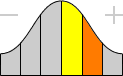
Foot odor/sweating
Counter Indicators
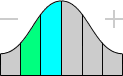
Absence of foot odor/sweating
Absence of body odor
Risk factors for Body Odor
General Detoxification Requirement
Cases of severe body odor have been resolved with water fasting and a healthier diet.One such case is described in an older book, The Miracle of Fasting by Paul Bragg.
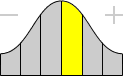
Zinc Requirement
If you have body odor, try taking zinc. Studies have shown that taking 30-50mg daily will dramatically reduce certain body odors, although less may be needed. Zinc may also reduce perspiration and sweaty feet.
Recommendations for Body Odor

Chlorella / Algae Products
Chlorella is an excellent and concentrated source of chlorophyll.
Chlorophyll
Chlorophyll is one of many green foods that has been used in folk medicine to freshen breath and eliminate body odors. One or two chlorophyll tablets, chlorophyll liquid or other chlorophyll containing products should be taken with each meal to see if it acts as a deodorizer for you.

Magnesium
See the link between Body Odor and Zinc.

Lavilin
A unique herbal deodorant exists that is free of aluminum and other harsh chemicals, yet so effective that just one application can eliminate perspiration odor for days without the need to reapply even after showering. This product is available from most health food stores. Lavilin makes a foot deodorant also. Ingredients: zinc oxide, petroleum jelly, talc, potato starch, calendula oil, arnica oil, vitamin E, ascorbyl palmitate, citric acid, natural fragrance.
Key
| Weak or unproven link |
| Strong or generally accepted link |
| Strongly counter-indicative |
| May do some good |
| Likely to help |
| Highly recommended |
Glossary
Metabolism
The chemical processes of living cells in which energy is produced in order to replace and repair tissues and maintain a healthy body. Responsible for the production of energy, biosynthesis of important substances, and degradation of various compounds.
Bacteria
Microscopic germs. Some bacteria are "harmful" and can cause disease, while other "friendly" bacteria protect the body from harmful invading organisms.
Zinc
An essential trace mineral. The functions of zinc are enzymatic. There are over 70 metalloenzymes known to require zinc for their functions. The main biochemicals in which zinc has been found to be necessary include: enzymes and enzymatic function, protein synthesis and carbohydrate metabolism. Zinc is a constituent of insulin and male reproductive fluid. Zinc is necessary for the proper metabolism of alcohol, to get rid of the lactic acid that builds up in working muscles and to transfer it to the lungs. Zinc is involved in the health of the immune system, assists vitamin A utilization and is involved in the formation of bone and teeth.
Milligram
(mg): 1/1,000 of a gram by weight.